Posted on

Keeping Children Safe at Home

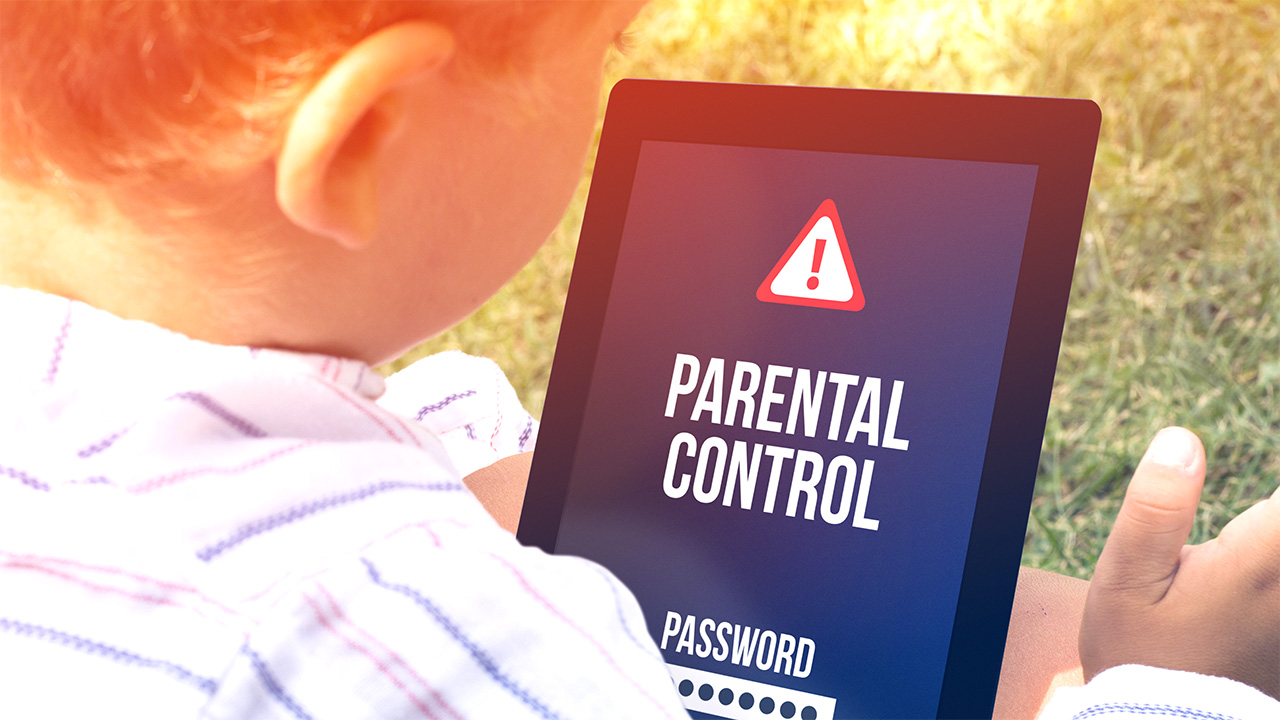
Parents have a duty to protect their children, and this is never more needful than during the summer months when children and teens are out of school and often spend hours alone at home while parents are at work. Although there is no fail-safe method, CLA recommends that parents carefully consider these tips:

1. Children should use computers only in common areas of the home where they can be monitored—never behind closed doors in their bedrooms. It is extremely unwise to allow children and teenagers unmonitored computer access when they are home alone.

2. Talk with your child often about how to remain safe on the Internet. Let your child know you regularly check computer history as well as email and chat messages.

3. Require your child to use nicknames on social media and networking sites and never to share identifying information about themselves or the family in social networking profiles. Your child should be told to keep passwords secret from everyone but you.

4. Remind your child that millions of people can potentially see anything they post online and these messages and photos will never go away. Teach your child to think before posting.

5. Remind your child of the dangers associated with arranging an in-person meeting with anyone they have met only in cyberspace.

6. Monitor any social networking sites your child uses. Make sure your child “friends” you and makes their personal settings “private.”

7. Watch for signs of cyberbullying and tell your child to report such activity to you immediately, whether it involves them or a friend. Encourage them to help others who are being subjected to cyberbullying by alerting an adult.

8. Make sure to retain all evidence of cyberbullying, including emails and text messages.

The Internet is a powerful tool, much like a loaded gun. If parents allow their children to go online, they must make certain that careful safety guidelines are in place. It takes only one incident for tragedy to result.

Posted on

Safety Tips for Social Media

The power of social networking is hard to imagine. Facebook, currently the largest online social network in the world, has roughly three billion active users per month. Social media can be dangerous enough for adults, but children are particularly susceptible to being harmed. While no set of guidelines can provide complete security, CLA recommends these guidelines for students.

  1. Do not allow a child under the age of 13 to create a Facebook account. The social media giant prohibits anyone under the age of 13 to create an account. If a person under the age of 13 creates an account, it will likely result in Facebook terminating the account.

2. If your teenager does not personally know someone who is requesting to be “friends,” they should not accept the request. This policy also applies to adults.

3. Create the strongest password possible to protect your account from being hacked. If you have any suspicion that your account may be hacked, it is best to change your password. If your account is hacked, it is important to immediately report this to Facebook. 

4. Only post photos or ideas that you want to make public. Never post anything personal or embarrassing, because it could affect your testimony or work situation. Recently, a woman was fired after calling in sick then posting something that made it apparent she wasn’t ill.

5. Manage your privacy settings. The default choice makes all of your information, photos, and posts available to anyone who wishes to look at it. It is very wise to set your profile to “private.” By adjusting privacy settings, most of your content is not accessible by people who are not your friends.

6. Be careful when responding to friends or loved ones who request any type of monetary help on Facebook. Be sure to verify in person or by calling that the message is legitimate and their account was not hacked or cloned.

7. Only post broad information about your geographical location. Listing a state or very large city is fine, but never post an address or the name of a small town. This could jeopardize your personal safety. Additionally, never post that you are home alone. This is especially true for teenagers. Criminals and child predators could use this information to their advantage. 

8. Block anyone who sends you inappropriate messages or wall posts. If anyone posts content that is suggestive, pornographic, or threatening in any way, report them to Facebook.

9. You should never post your personal address, email, telephone number or any other personal contact information on your profile. 

10. Report to Facebook anything else that seems suspicious.