Posted on

Fall Is The Perfect Time For A Procedures Review

As the leaves begin to change and the pace of life shifts, fall offers a natural moment for churches to pause and reflect on their ministry practices. The busyness of summer ministries often reveals areas where procedures could be improved—whether in safety, volunteer management, or communication. Taking time now to review and update your church’s procedures helps prevent small issues from becoming major obstacles later in the year. This seasonal reset allows your church to move forward with greater clarity and confidence.

Fall is also the gateway to some of the most significant events on the church calendar. With Thanksgiving and Christmas approaching, many churches ramp up their outreach and special services. Having clear, effective procedures in place ensures that these events run smoothly and safely. It also helps volunteers feel prepared and supported, reducing burnout during the busiest time of year. Reviewing procedures now gives your leadership team a chance to align everyone around shared goals and expectations for finishing the year strong.

In addition to operational improvements, fall is an ideal time to address important legal considerations that affect your church. Make sure your child protection policies are current and that all volunteers have completed necessary background checks. Review your insurance coverage to confirm it adequately protects your property, staff, and events. Ensure compliance with local regulations related to gatherings, food service, and accessibility to avoid unexpected legal complications. Taking these steps now safeguards your church and allows ministry to flourish without unnecessary risk.

Ultimately, fall is a season of preparation and harvest. By conducting a thorough checkup on your church’s procedures—including legal safeguards—you set up your ministry for success in the months ahead. Whether it’s safety protocols, volunteer training, or outreach plans, small adjustments made now can lead to a stronger finish and greater impact for your congregation and community. Embrace this season as a time to refresh, refocus, and recommit to serving God faithfully through every opportunity.

Posted on

Before You Buy!

We are thankful to see growing churches that need to obtain larger properties for their churches. Here are some important tips to keep in mind before agreeing to purchase a property.

1. Have the building inspected.

Church buildings, even relatively new ones, can have all kinds of problems. Before you purchase a new property, be sure you have top-notch inspectors thoroughly check out the physical condition of the building so that you are not surprised with huge bills later.

2. Check the zoning.

Especially when you plan to convert the use of a building—say from a store to a church—it is important to know that the location of the building may be used for church services.

3. Check for liens.

Be sure to employ a professional to make sure that there are no liens on the property you want to purchase. You absolutely do not want to be in a situation where you unwittingly take on debt associated with the property you plan to buy—debt you knew nothing about prior to signing those purchase documents.

4. Contact CLA.

Purchasing a new facility for your church is an extremely important venture. Take advantage of the experience of the seasoned attorneys of the Christian Law Association who can help make sure your sale is handled efficiently and that you avoid surprises that may irreparably harm your ministry.

Posted on

Why the Need Is Still Great

While our nation has a conservative administration in office, the challenges to religious liberty have not disappeared—they have only shifted. Churches, pastors, and individual Christians are still facing pressure in courts, schools, workplaces, and communities that require both Biblical wisdom and sound legal counsel. CLA remains committed to standing beside God’s people, protecting their right to preach, teach, and live out the Gospel without compromise.

In fact, times of seeming favor can be some of the most dangerous. Opposition to Biblical truth is not bound by political climates, and the freedoms we enjoy today must be diligently guarded for the generations to come. The need for vigilance and preparation is greater than ever, and that is why the work of CLA is so vital. We ask for your continued prayers and financial support as together we labor to ensure that churches and believers remain free to serve Christ faithfully—no matter what direction the culture or government may take in the future.

Posted on

Pioneers of Religious Liberty in the United States

One of the exceptional features of the United States is the way that our nation developed a strong tradition of religious liberty. But even in earlier times, religious liberty was not always practiced. For example, people like Obadiah Holmes (1610–1682) was whipped in the Massachusetts Bay Colony for his religious beliefs and activism. Because they had been part of the European model of the State Church, some American colonists believed that the majority could determine the religious practices of the minority.

There is, of course, always a battle between good and evil. When we examine our nation’s rich history of religious liberty, we understand that we have been blessed with many Godly people who have forged our path to religious liberty. Consider the stories of these religious liberty pioneers.

Barton W. Stone (1772–1844) was a preacher who was active in legal battles over religious freedom in Kentucky and Tennessee. Although he was not religious in his youth, he trusted Christ in his early twenties and became an evangelist during the Second Great Awakening.

Stone was a champion for “the Bible alone,” and he believed that individual people had the right to read the Bible and interpret it for themselves. Stone rejected the idea that individuals should be allowed to believe only the official teaching of some churches.

In his “Apology,” Stone boldly argued against the idea that individuals must conform their beliefs to the official positions of established churches, writing, “Is it not better to clear away all the rubbish of human opinions and build the church immediately on the Rock of Ages, the sure foundation which God has laid in Zion?”

Stone further wrote, “We will, that the church of Christ assume her native right of internal government—try her candidates for the ministry, as to their soundness in the faith, acquaintance with experimental religion, gravity and aptness to teach; and admit no other proof of their authority, but Christ speaking in them.” With strong ideas like these, it is clear that Stone would never support government-authorized churches.

Stone’s writings are considered early examples of American declarations of religious freedom. It is clear that the American spirit of rugged independence has important roots in religious liberty. The idea of democratic self-government is inconceivable apart from religious freedom.

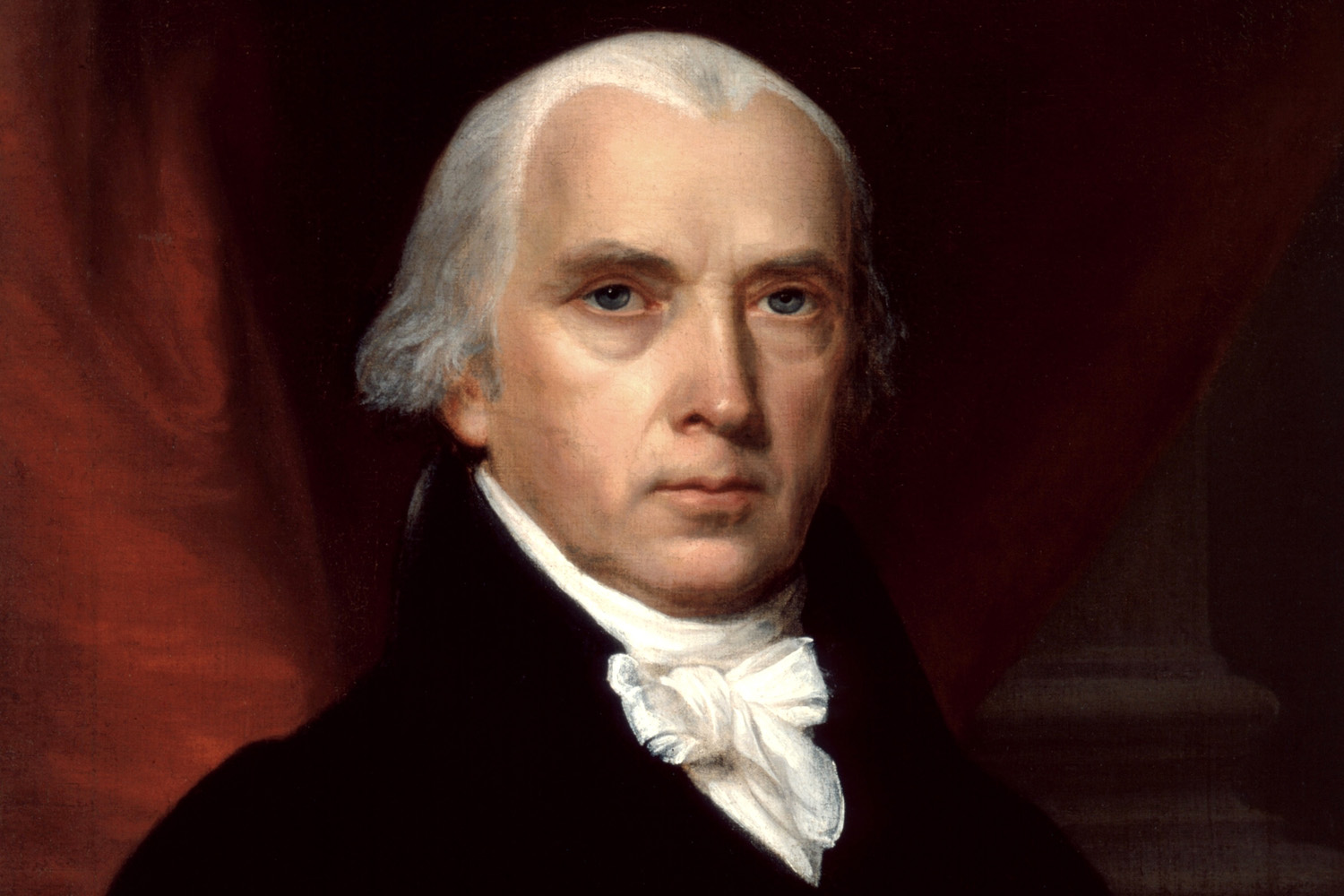
James Madison (1751–1836) is known as the “Father of the Constitution,” and he was a strong advocate for religious liberty. Madison believed in the “intangible property of the conscience.” When the Virginia Declaration of Rights was being formed, Madison fought to make a small change of wording that resulted in a big change of meaning. The Declaration originally said that citizens should be allowed to have the “fullest Toleration” of their religion; Madison successfully changed the wording to say that citizens should have “free exercise of religion.”

In the 18th-century culture of Virginia, “fullest Toleration” essentially meant that there would be an official, approved church that would receive special benefits, and other religions would be merely allowed to exist. But by using the language “free exercise of religion,” everything changed. There would be no official church with others considered less significant. Instead, all citizens would be allowed to practice their religion as dictated by their conscience, not as permitted by the government.

When Virginia was considering the advantages of an official state church supported by tax dollars, Madison famously wrote his “Memorial and Remonstrance” to right this legislation. In his first point, Madison wrote that “Religion or the duty which we owe to our Creator…can be directed only by reason and conviction, not by force or violence.” In his second point, he specifically advocated for keeping the government out of religious decisions, writing, “if Religion be exempt from the authority of the Society at large, still less can it be subject to that of the Legislative Body.” In his fifteenth and final point, Madison wrote clearly: “The equal right of every citizen to the free exercise of his Religion according to the dictates of conscience is held by the same tenure with all our other rights.”

William Jennings Bryan (1860–1925) was born in Salem, Illinois; and he became a prominent politician. Bryan would become a member of the House of Representatives, run for president three times, and serve as Secretary of State from 1913–1915. A skilled orator, he was famous for his “Cross of Gold” speech that eloquently explained his view of economic policy.

Midst all this political activity, Bryan’s faith was very important to him; and he believed that the teaching of Darwinism threatened both religious and humanitarian values. In 1925, he famously served as the prosecutor in the Scopes Trial, a landmark case that tested the legality of anti-evolution laws in public schools. This trial, the first to ever be broadcast on live radio, created a media frenzy as high school teacher John Scopes was accused of violating Tennessee’s Butler Act, which prohibited the teaching of human evolution in public schools.

The trial was part of the fundamentalist-modernist controversy, and Bryan believed in the importance of supporting a literal understanding of the Genesis account of creation. Because of his open religious fervor, many attempted to minimize his intellect and claim that he was out of the mainstream. In spite the obstacles, Bryan poured his heart and soul into defending religious liberty in the early twentieth century.

For over fifty years, the attorneys of the Christian Law Association have labored to defend religious liberty in these United States. We understand that the fabric of religious freedom in our nation would not even exist without the labor, strength, and courage of many religious freedom pioneers who preceded us. We are thankful for our Christian heritage, and we honor the memory of all those who helped make religious freedom in America a reality.


Posted on

Early Religious Liberty Advocacy in America

Religious Liberty

Religious freedom is one of the foundational principles of the United States, with roots stretching back to the colonial and founding eras of the 1600s and 1700s. During this time, many American colonies had official churches and often restricted those with differing beliefs. A pioneering advocate for religious liberty was Roger Williams, founder of Rhode Island, who courageously promoted the separation of church and state—an idea revolutionary for its time. This principle eventually became a vital part of the First Amendment to the U.S. Constitution in 1791, guaranteeing the free exercise of religion and forbidding the government from establishing a national religion.

As America grew in the 19th century, religious liberty faced new legal challenges. These included controversies over Sunday laws, church property disputes, and the protection of minority faiths. It was during this era that attorneys and judges began to shape the modern interpretation of the First Amendment’s religious clauses. Among these influential figures was Joseph Story, who served as an Associate Justice on the U.S. Supreme Court from 1811 to 1845. Justice Story was a respected legal scholar and the youngest person ever appointed to the Supreme Court. His opinions helped define the delicate balance between government authority and religious freedom, setting lasting legal precedents that have guided religious liberty protections in the centuries since.

The early advocacy of Roger Williams and the judicial wisdom of Justice Joseph Story established a strong foundation for religious liberty in America. Their work reminds us today of the importance of safeguarding the free exercise of faith while maintaining a government neutral toward religion. As we reflect on these origins, we recognize that protecting religious freedom remains as vital now as it was during the nation’s earliest days.

Stand with Us to Protect Religious Freedom

Religious liberty is a cornerstone of our American heritage—one worth defending every day. Join us in supporting the ongoing fight to uphold these vital rights for all believers. Stay informed, pray for our nation’s leaders and courts, and consider partnering with organizations dedicated to preserving religious freedom. Together, we can ensure that the legacy of advocates like Roger Williams and Justice Joseph Story endures for generations to come.

Posted on

A Call We Must All Answer

Today, we face a different kind of threat—not from foreign powers, but from complacency, hostility toward truth, and disregard for our nation’s founding freedoms. As Christians and Americans, we must not be silent when liberty is under pressure. Like the Liberty Bell, our message must be clear, unwavering, and grounded in truth.

Now is the time to proclaim liberty once again—not just with words, but with action, prayer, and courage.Let us answer the call. Let us be watchmen on the wall for freedom in our homes, schools, churches, and courts. Liberty cannot protect itself—it needs people like you who will stand for what is right.

Posted on

The Story of the Liberty Bell: A Silent Voice That Still Speaks

In a quiet corner of Philadelphia stands one of America’s most enduring symbols of freedom—the Liberty Bell. Though it no longer rings, its message still echoes across the nation.

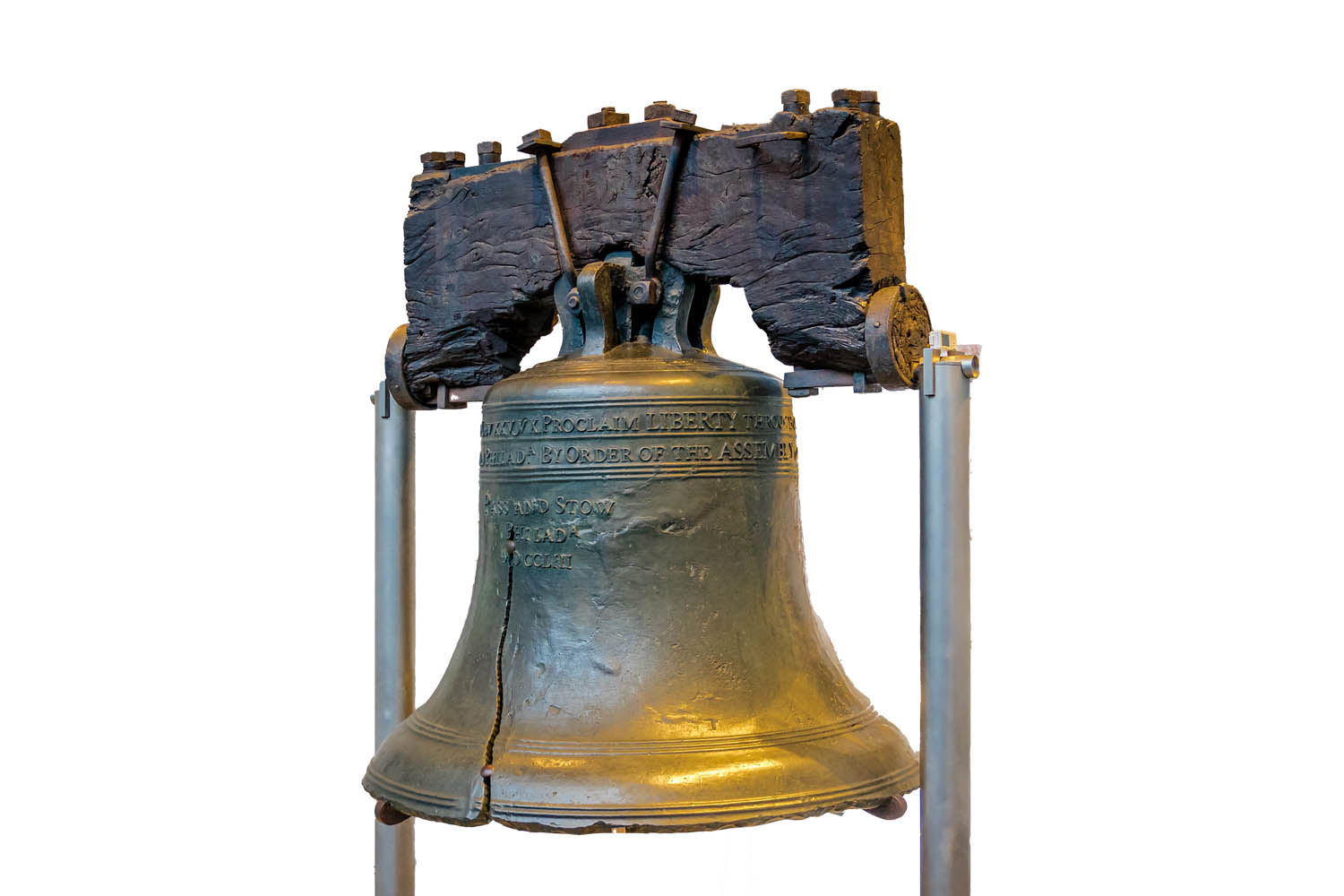
The bell was originally cast in 1752 for the Pennsylvania State House (now Independence Hall), but it cracked on its first test ring. It was recast twice by local craftsmen, John Pass and John Stow, whose names are still visible on the bell today.

Though intended simply to summon lawmakers and announce public meetings, the Liberty Bell’s legacy far surpassed its original purpose. It rang on July 8, 1776, to summon citizens to hear the first public reading of the Declaration of Independence. But its greatest power lies not in its sound, but in its inscription, taken from the Bible—Leviticus 25:10: “Proclaim LIBERTY throughout all the land unto all the inhabitants thereof.”

The crack that silenced the bell in the early 1840s did not silence its meaning. Abolitionists adopted it as a symbol of freedom from slavery. Later, it became a rallying image for women’s suffrage and civil rights movements. The Liberty Bell became a voice for the voiceless and a reminder that liberty must be safeguarded—not just celebrated.

Posted on

Stand Where They Stood—Defend What They Built

The patriots who met in Independence Hall didn’t just argue about ideas—they risked everything to secure freedom for generations to come. We walk in the legacy of their bravery.

But freedom is fragile. The values they enshrined—religious liberty, moral law, and personal responsibility—are under increasing pressure today.

Let’s not relegate Independence Hall to a dusty memory. Let’s treat it as a living challenge:
Will we defend the freedom they gave us—or will we stand by as it’s slowly stripped away?Let us rise with the same conviction they had. Now is our time to stand. Now is our time to protect liberty.

Posted on

Independence Hall: The Birthplace of American Freedom

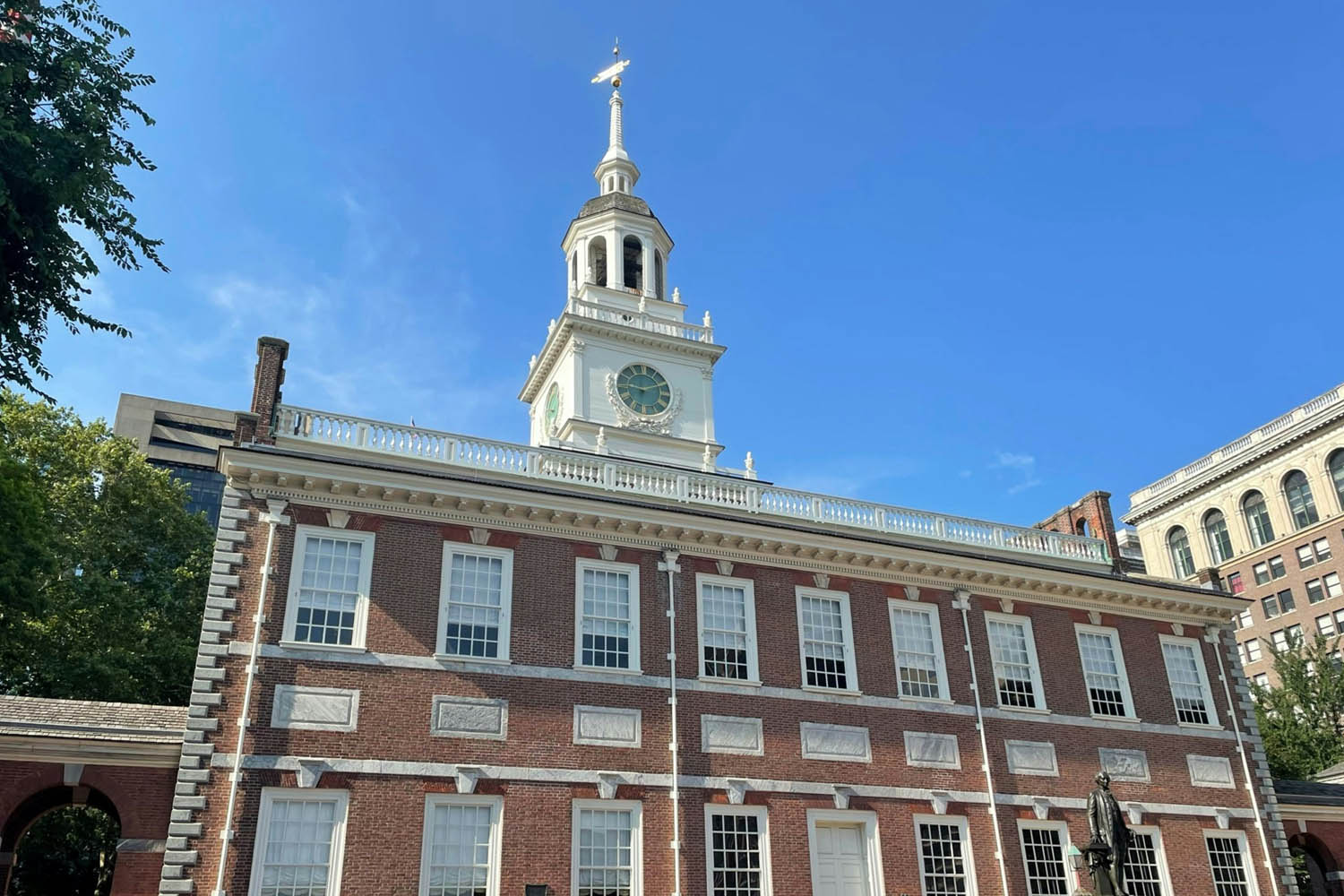
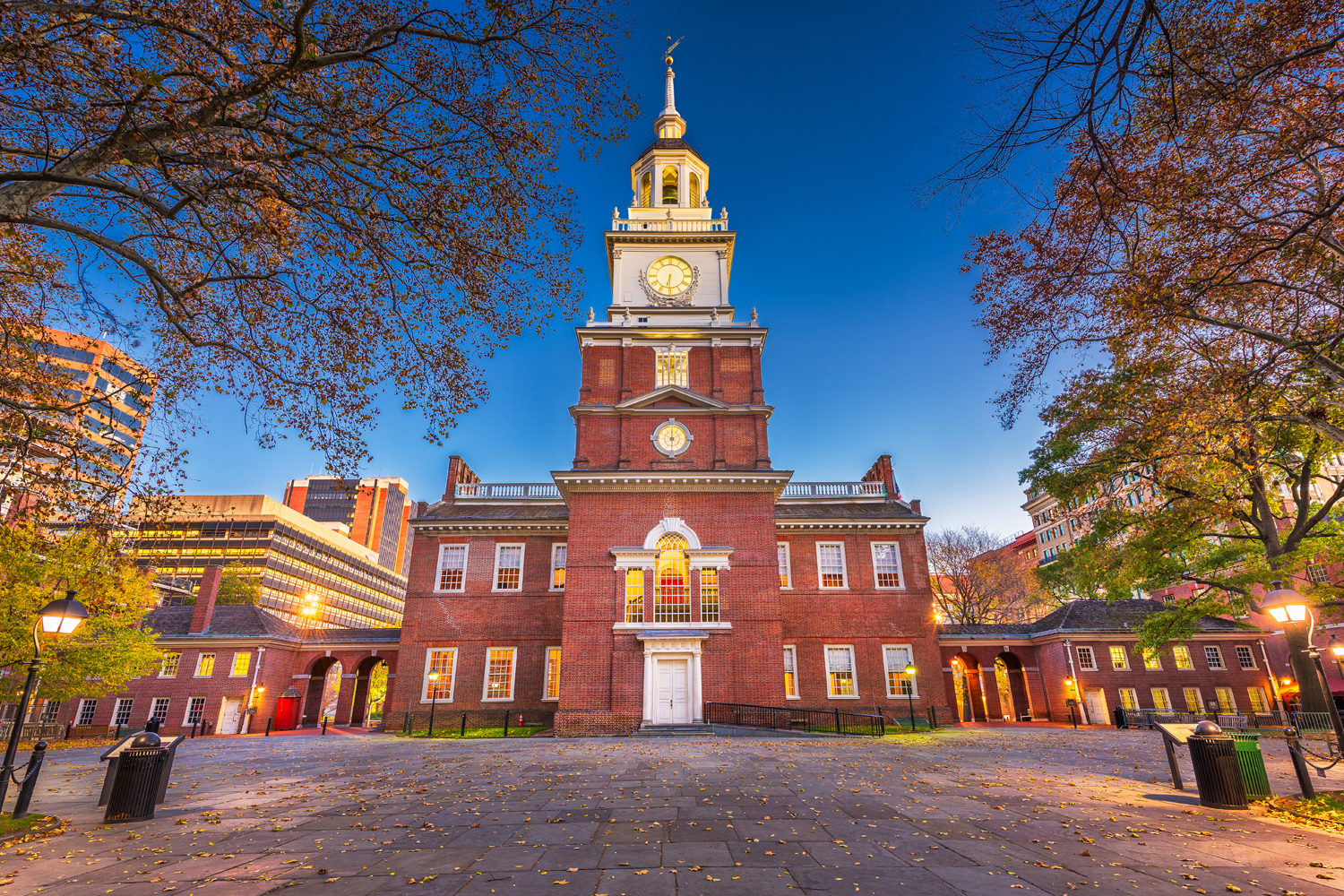
Tucked away in the heart of historic Philadelphia stands a building that quietly witnessed some of the most courageous decisions in human history. Independence Hall, once the Pennsylvania State House, is known today as the birthplace of the United States of America.

Within its red brick walls, delegates from the thirteen colonies gathered in the sweltering summer of 1776 to debate and ultimately sign the Declaration of Independence. It was here that bold men, under threat of treason, declared their intent to break away from British rule and form a new nation founded on the belief that all men are created equal and endowed by their Creator with certain unalienable rights.

Eleven years later, in 1787, many of those same leaders returned to the same room to draft the U.S. Constitution, carefully crafting a government that would protect liberty and limit the power of tyranny. The decisions made in Independence Hall shaped not only our country but also inspired democratic movements around the world.Steps away from this historic chamber rests the Liberty Bell, and together, these two symbols remind us that freedom is both a gift and a responsibility.

Posted on

The Importance of Clear Facility Use Policies for Church Safety and Legal Protection

Many churches open their facilities to outside groups or host community events. While outreach is vital, churches must balance hospitality with prudent policies that protect the congregation and the ministry’s legal standing. “Let all things be done decently and in order” (1 Corinthians 14:40) reminds us that orderliness benefits all ministry efforts.

Having clear, written facility use agreements is critical. These documents outline the responsibilities of both the church and outside groups, address liability, and establish safety rules. Regularly review and update these policies to comply with insurance requirements and local regulations.

Christian Law Association offers customizable facility use policy templates and legal consultation to help churches protect themselves while welcoming their communities. Proper preparation prevents costly disputes and ensures ministry efforts flourish.